
You want to know which is better: RF or CO2 laser tube. The answer depends on your needs. Performance, cost, maintenance, and application all play important roles. You should think about your own usage scenario and set your priorities.
Tip: Choosing the right laser tube can improve your workflow and save you money over time.
Principales conclusiones
- RF laser tubes work better and last longer. They can last up to 20,000 hours. This makes them good for detailed engraving and fast jobs.
- CO2 laser tubes cost less at first. They need more care and do not last as long. They last about 5,000 to 8,000 hours. These tubes are good for simple tasks.
- Pick RF tubes for jobs that need accuracy and speed. Choose CO2 tubes if you want to spend less money at first. You will need to do more upkeep with CO2 tubes.
- Think about what you need, like your budget and how often you use the laser. Also, think about how much detail you want in your engraving. This will help you pick the right laser tube for your work.
- Talk to experts like Feiju Laser for advice. They can help you choose the best laser tube for your business.
RF or CO2 laser tube: Overview

What is an RF laser tube?
An RF laser tube uses radio waves to excite carbon dioxide gas. The gas is inside a metal or ceramic chamber. This makes a strong laser beam. RF laser tubes are built to last. They use air cooling with fans. These tubes work at high speeds. You can control cutting and engraving very well. RF laser tubes last a long time, up to 20,000 hours. They do not need much maintenance. RF laser tubes cost more at first. They give you better performance and are very reliable.
Note: RF laser tubes work well in hot places. They are good for detailed engraving jobs.
¿Qué es un tubo láser de CO2?
A CO2 laser tube uses direct current to excite carbon dioxide gas. The gas is inside a glass tube. This makes a laser beam for cutting and engraving. Glass CO2 laser tubes need water cooling. Glass does not get rid of heat easily. These tubes work more slowly and cannot engrave tiny details. Most CO2 laser tubes last 5,000 to 8,000 hours. They need more maintenance. CO2 laser tubes cost less at first. They break more easily and have shorter warranties.
Tip: CO2 laser tubes are good for simple cutting and engraving. They are best if you want to spend less money at first.
| Característica | Glass (DC) CO2 Laser Tubes | Metal (RF) CO2 Laser Tubes |
|---|---|---|
| Refrigeración | Necesita refrigeración por agua | Uses air cooling with fans |
| Rendimiento | Slower pulse rate | Faster pulse rate, better engraving |
| Operating Temperatures | Sensitive to heat and cold | Works well in hot places |
| Capacidad de servicio | Shorter life, breaks more easily | Lasts longer, stronger |
When you look at RF or CO2 laser tubes, think about what you need. Durability, precision, and cost are important. Each type is good for different people and jobs.
Performance & Precision
Cutting and engraving quality
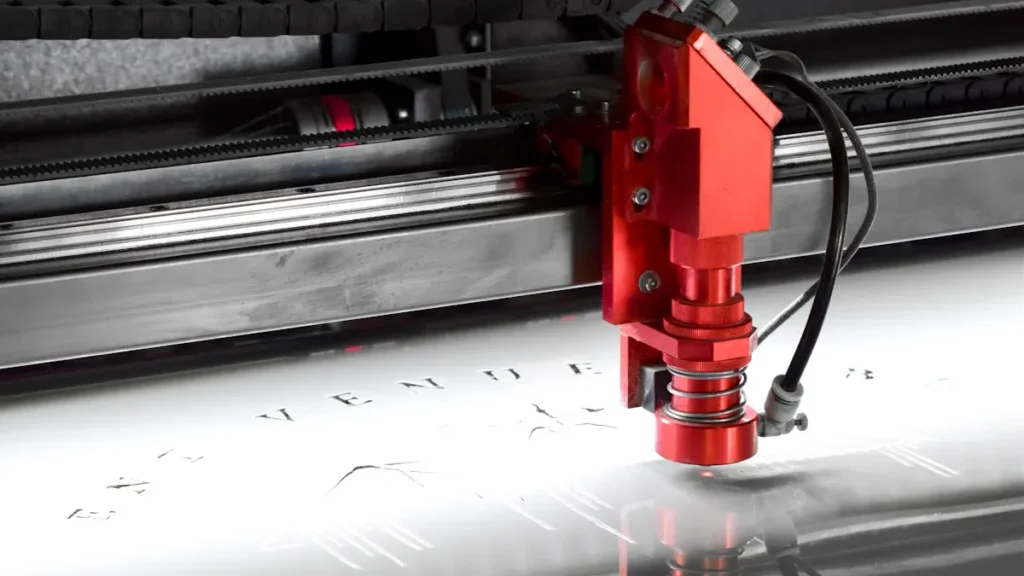
RF and CO2 laser tubes work differently for cutting and engraving. RF laser tubes let you control the process very well. You can make tiny, detailed engravings on things like acrylic, wood, and glass. The laser beam from an RF tube stays steady. This means your results look the same every time. RF tubes also work on shiny surfaces. This helps save energy.
Tubos láser de CO2 cut and engrave non-metal things directly. You will see a white mark on slate and smooth cuts on wood and acrylic. The quality is good for simple shapes. But it is hard to make very small details with CO2 tubes. If you want to make fancy patterns, RF tubes are better.
Tip: Use RF tubes for small, careful engraving. Use CO2 tubes for easy cutting and simple engraving.
Here is a table that shows how each laser works with different materials:
| Tipo láser | Material Type | Processing Effect |
|---|---|---|
| CO2 | Non-metallic | Cuts and engraves things like wood, acrylic, and glass. Makes a white mark on slate. |
| RF | Non-metallic | Makes neat and even engravings. Works well on shiny things and saves energy. |
| CO2 | Metal | Needs paint to work on the metal. Can cut thick metal if it has high power. |
| RF | Metal | It cannot work on bare metal by itself. |
Think about what kind of jobs you do most. If you need sharp and detailed engravings, RF tubes are best. For normal cutting and engraving, CO2 tubes are good and cost less.
Speed and efficiency
Speed is important if you want to finish jobs fast. RF laser tubes work at higher speeds. You can cut and engrave quickly. This helps you get more done. The air cooling system keeps the RF tube cool. You do not have to wait long for it to cool down.
CO2 laser tubes are slower. They use water cooling, which takes more time. You might have to stop and wait between jobs. This can slow you down if you have a lot of work. RF tubes help you keep up when you are busy.
- RF tubes keep a steady speed for cutting and engraving.
- CO2 tubes are fine for easy jobs, but slow down with hard designs.
Note: If you want to work faster, RF tubes are better. They let you do more work with less waiting.
When you pick between RF and CO2 laser tubes, think about how much speed and detail you need. RF tubes are better for careful work and big jobs.
Lifespan & Reliability
RF tube lifespan
You want your laser to last a long time. RF laser tubes are very strong. They last much longer than DC laser tubes. You can use them for many more hours before changing them. Here are some important things about RF tube lifespan:
- RF laser tubes work for 10,000 to 20,000 hours.
- You will have fewer problems and less waiting for repairs.
- The metal or ceramic body is tough and does not break easily.
- Air cooling keeps the tube from getting too hot.
If you use your machine every day, you will see that it is more reliable. You fix it less and can work more.
CO2 tube lifespan
CO2 laser tubes do not last as long as RF tubes. Most glass CO2 tubes work for 5,000 to 8,000 hours. You might need to change them more if you use high power or work in hard places. Glass is easy to break, and water cooling can stop working if you do not check it. Here are the usual lifespans:
| Tipo láser | Vida media (horas) |
|---|---|
| Tubos láser RF | 10,000 – 20,000 |
| CO2 Laser Tubes | 5,000 – 8,000 |
You should plan to check and fix CO2 tubes often. You also need to save money for new ones.
Reliability factors
Many things affect how reliable a tube is. You should look at how it is made, how it cools, and how much you use it. RF laser tubes are made with strong parts and use air cooling, so they break less. CO2 laser tubes need gentle care, and you must check the water cooling often. If you want your machine to work well and not stop, RF tubes are better. When you pick a tube, think about how much you need it to work all the time.
Tip: Pick a tube that fits how much you use your machine. Good tubes help you work without stopping and save money.
Maintenance & Ease of Use
RF tube maintenance
RF laser tubes are easier to take care of than glass CO2 tubes. They use air cooling, so you do not need to check water pumps or hoses. Most jobs are about keeping the system clean and safe. You should clean and check your machine often. This helps you avoid problems and keeps it working well.
Here is a table that shows what you need to do for RF tube maintenance:
| Maintenance Task | Descripción |
|---|---|
| Clean it | Turn off the cooling system. Disconnect water hoses. Flush the inside of the exchanger. Use a special cleaner for heavy buildup. |
| Test Laser Beam Quality | Use a beam profiler to check the beam’s shape. Make sure the beam looks normal. Look for misaligned optics. Check for damage if the beam looks wrong. |
| Tighten Electrical Terminals | Use a torque screwdriver to tighten the terminals. This stops arcing and keeps the control system safe. |
| Annual Maintenance Tasks | Change old parts. Update the software. Check safety. Test how well the system works. |
Tip: Clean and check your system often to stop most problems.
CO2 tube maintenance
CO2 laser tubes need more care. You must check the water cooling system every day. Look for leaks and make sure the water is clean. Glass tubes can break easily, so be gentle with them. Clean the optics and mirrors often. Dust and dirt can block the laser beam. This makes your work look worse. Change old parts quickly so your machine does not stop working.
- Check water pumps and hoses for leaks.
- Clean mirrors and lenses to keep the beam strong.
- Watch for cracks in the glass tube.
- Change the tube when the power drops.
Note: Taking care of your machine often helps you avoid big repairs. It keeps your machine working well.
User experience
RF and CO2 laser tubes feel different to use. RF tubes have simple controls and fewer steps to take care of them. You spend less time fixing things and more time working. Air cooling makes the machine safer and quieter. You can focus on your projects without worrying about problems.
CO2 tubes need more work. You must watch the cooling system and clean parts often. Glass tubes can break, which can be stressful. If you want things to be easy, RF tubes are better. They are more reliable and need less work.
😊 Pick RF tubes if you want easy care and smooth use. Choose CO2 tubes if you want to spend less money at first and do not mind extra work.
Cost Comparison
Initial cost
When you compare the initial cost, you will notice a big difference between RF and glass CO2 laser tubes. RF laser tubes cost much more at the start. You pay for advanced technology, a metal or ceramic body, and a longer lifespan. Glass CO2 laser tubes have a lower price tag. Many small businesses and hobbyists choose them because they want to save money at first. If you want to start with less investment, a glass CO2 tube may look attractive.
Operating and replacement costs
You should not look at only the purchase price. Think about how much you will spend over time. RF laser tubes need less maintenance and last much longer. You will not have to replace them as often. Glass CO2 tubes need more care and break more easily. You will spend more on repairs and replacements. The table below shows how these costs compare:
| Tipo de tubo láser | Coste inicial | Long-term Maintenance Cost | Maintenance Frequency |
|---|---|---|---|
| Tubos láser RF | Más alto | Baja | Less frequent |
| Tubos láser de vidrio | Baja | Más alto | More frequent |
You will find that RF tubes save you money in the long run. You spend less time fixing problems and more time working. Glass CO2 tubes may seem cheaper, but the costs add up with every repair and replacement.
Value for money
You want the best value for your investment. RF laser tubes give you a better return on investment. They work faster and last longer. Many users report that they earn back their investment three to five times faster with RF tubes. You can finish more jobs and waste less material. This means you make more money and spend less on repairs.
- RF laser tubes offer a better return on investment.
- They give you higher efficiency and last longer.
- You can achieve faster job turnover and reduce waste.
In some industries, users prefer CO2 laser tubes for heavy workloads. For example, OMTech’s CO2 lasers are popular in production settings because they handle tough jobs and offer strong value for money. Many small businesses and creators choose models like the Thunder Laser Bolt. They like the mix of professional precision and affordable price. OMTech CO2 lasers also stand out for their solid build and efficiency. Users appreciate the good dollar-to-watt and dollar-to-inch ratios.
When you decide between an RF or a CO2 laser tube, think about your budget, how much you will use the machine, and how often you want to do maintenance. If you want long-term savings and high performance, RF tubes are a smart choice. If you need a lower upfront cost and can handle more maintenance, glass CO2 tubes may fit your needs.
Application Suitability

Best uses for RF tubes
RF laser tubes are great for jobs that need high precision and speed. These tubes are best for engraving small details or making complex shapes. You can use RF tubes for marking, cutting, and engraving many materials. Many companies pick RF tubes for jobs that need steady quality and less downtime.
Here is a table that shows where RF tubes work best:
| Industry | Typical Applications |
|---|---|
| Electronics Manufacturing | PCB fabrication, drilling micro-vias, selective solder mask removal, and resistor trimming. |
| Automotive Industry | Cutting and perforating interior trim, dashboard marking, and cutting technical textiles for airbags. |
| Packaging and Product Coding | Marking expiration dates and batch codes on various packaging materials at high speeds. |
| Medical Devices | Engraving UDI codes, cutting medical-grade polymers, and drilling catheters. |
| Textiles, Leather, and Specialty Materials | Processing nonwoven fabrics, creating patterns on textiles, engraving leather, and edge-sealing technical fabrics. |
| Signage and Displays | Cutting and engraving acrylic and wood, creating complex shapes and textures. |
Pick RF tubes if your business needs strong performance and detailed results.
Best uses for CO2 tubes
CO2 laser tubes are good for many design and manufacturing jobs. You can use them for basic cutting and engraving. These tubes work with textiles, wood, plastic, and metals. You will see CO2 tubes in workshops and small factories. They are good for simple jobs and save money.
- Cutting: Use CO2 lasers to cut textiles, wood, plastic, and metals with high precision.
- Engraving: Make logos, text, and designs on many surfaces.
- Welding: Use CO2 lasers for welding thin metals and putting together small parts.
Pick CO2 tubes if you want a cheaper option for general jobs.
Feiju Laser industry examples
Feiju Laser helps you pick the right tube for your needs. If you run a packaging line, Feiju Laser suggests RF tubes for fast and accurate coding. You can use RF tubes for marking medical devices when you need high precision. If you have a sign-making shop, Feiju Laser offers CO2 tube systems for cutting acrylic and wood. You get strong machines for daily work. Feiju Laser helps you choose between an RF or a CO2 laser tube, so your work stays smooth.
Tip: Ask Feiju Laser for help picking the best tube for your business. You will get expert advice and solutions that fit your needs.
Choosing an RF or CO2 laser tube
Decision checklist
You want to pick the best laser for you. Start by looking at a checklist with key points. This helps you find the right match for your needs.
- Budget: Think about how much you want to spend now and later.
- Cutting and Engraving Needs: Decide how much detail and smooth edges you need.
- Expected Usage: Guess how many hours you will use the machine each week.
- Maintenance Preferences: Think about how much time you can spend taking care of the machine.
- Tipo de aplicación: Figure out what materials and industries you use most.
Check the table below to see how each tube type compares:
| Criterios | DC Laser Tube | RF Laser Tube |
|---|---|---|
| Coste | About 10% of the price of RF lasers | Costs more at first |
| Cutting Performance | Makes good cuts, edges look similar | Edges can be a little rough on some things |
| Engraving Performance | Bigger spot size, less detail | Smaller spot size, more detail |
| Longevity | Does not last as long | Lasts 4-5 times longer |
Tip: Use this checklist and table to help you choose before you buy.
User priorities
Your main needs help you decide what to buy. If you want to spend less money at first, a DC laser tube is a good choice. You get nice cuts and simple engraving. If you want your machine to last longer and make fine details, an RF laser tube is better.
Think about what matters most for your work or hobby. Some people need fast speed and sharp detail for professional engraving. Others just want something easy to cut sometimes. Ask yourself these questions:
- Do you need fine engraving or just simple cuts?
- Will you use the machine every day or only sometimes?
- Is saving money over time more important than spending less now?
You can ask Feiju Laser for help if you need advice. Their team can help you pick the best RF or CO2 laser tube for your needs.
😊 Pick the tube that matches your work and goals. The right choice helps you work better and save money.
You can spot big differences between RF and CO2 laser tubes. RF tubes give you better detail, last longer, and need less fixing. CO2 tubes cost less at first and work well for simple jobs. But you will spend more on care and supplies over time, as you can see here:
| Expense Type | How Often Needed | Cost Range |
|---|---|---|
| Mantenimiento | Every 3 months | $500–$1,000 |
| Consumables | Monthly | $200–$500 |
| Training | Once a year | $1,000–$3,000 |
People like Feiju Laser because it is easy to set up and has good support. They also say their work looks better. If you want good results and help from experts, ask Feiju Laser to help you pick the right tube.
PREGUNTAS FRECUENTES
What is the main difference between RF and CO2 laser tubes?
You will notice RF tubes use radio frequency for excitation and have metal or ceramic bodies. CO2 tubes use direct current and glass bodies. RF tubes last longer and need less maintenance. CO2 tubes cost less at first.
Can you use RF and CO2 laser tubes for the same materials?
You can process many non-metal materials with both tube types. RF tubes work better for detailed engraving. CO2 tubes handle basic cutting and engraving. For metals, you need special coatings or higher power.
How often should you replace a laser tube?
You should replace RF tubes every 10,000 to 20,000 hours. CO2 tubes need replacement after 5,000 to 8,000 hours. Usage and maintenance affect lifespan. Regular checks help you avoid unexpected downtime.
Is RF laser tube maintenance easier than CO2?
You will find RF tube maintenance simpler. Air cooling means fewer parts to check. CO2 tubes need water cooling, which requires daily attention. You spend less time maintaining RF tubes.
Does Feiju Laser offer support for choosing the right tube?
You can contact Feiju Laser for expert advice. Their team helps you match your needs with the best tube. You get recommendations based on your budget, application, and expected workload.

 Spanish
  English
  Indonesian
  Portuguese
  Arabic
  German
  Turkish
  French
  Russian